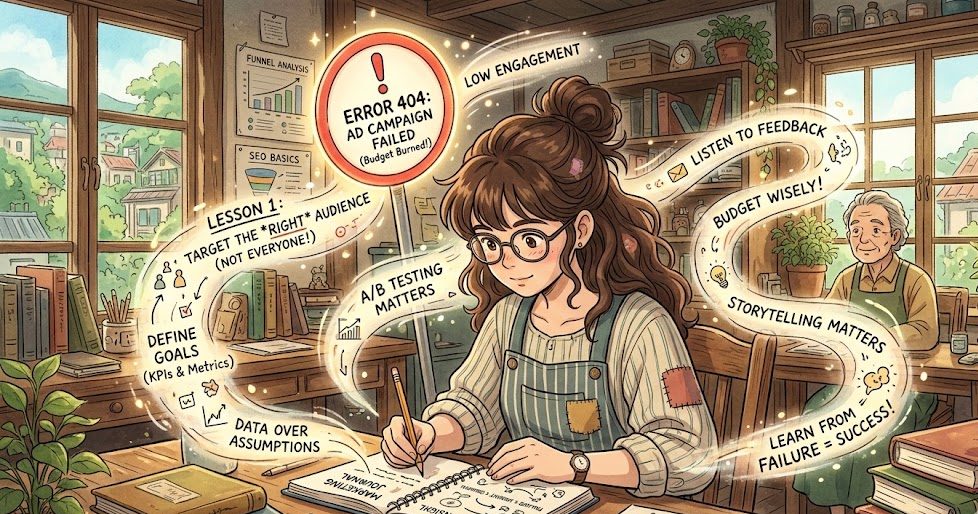
Did you know that over 95% of affiliate marketers fail within their first six months? It is a staggering statistic that often shocks newcomers who enter the industry expecting an “easy button” for wealth. Ask yourself: are you building a sustainable business, or are you just shouting links into a digital void? The barrier to entry for affiliate marketing is low, but the barrier to profitability is remarkably high, guarded by a series of invisible traps that swallow the time and budgets of the uninitiated.
The primary challenge for beginners is the “Get-Rich-Quick” Fallacy. This mindset leads to spammy behavior, poor platform choices, and a complete lack of audience trust. The ultimate solution is Strategic Value Alignment—shifting from a “salesperson” mentality to that of a “trusted advisor.” This article serves as your 2026 survival guide. We will dissect the core concepts of affiliate success, highlight the rewards of doing it right, and provide a clinical, step-by-step roadmap to avoid the catastrophic errors that end most careers before they truly begin.
Understanding Affiliate Integrity: Key Concepts and Importance
At its foundation, affiliate marketing is a revenue-sharing model where a business pays a commission to an external provider (you) for a specific result, such as a sale or a lead. While the history of this industry dates back to the early 1990s, its modern relevance in 2026 is driven by the Authenticity Economy. Consumers have become “ad-blind,” ignoring traditional commercials in favor of recommendations from real people with perceived expertise.
Think of affiliate marketing like home inspection. If a friend wants to buy a house, they don’t trust the seller’s brochure (the ad); they trust the inspector who goes into the attic, checks the pipes, and gives an honest verdict (the affiliate). The technical core of this relationship is the affiliate link—a unique URL embedded with tracking cookies. These cookies tell the merchant exactly who sent the buyer, ensuring you get your “finder’s fee.” However, the most critical “technical” part of the job isn’t the link; it is the E-E-A-T (Experience, Expertise, Authoritativeness, and Trustworthiness) that you build around that link. Without it, the link is just noise.
Why It Matters: The Top Benefits of Avoiding Common Traps
When you navigate around the typical beginner mistakes, the impact on your career is transformative. You stop chasing pennies and start building an asset.
- Sustainable Brand Equity: By avoiding “spammy” tactics, you build a personal brand that people actually want to follow. In 2026, a loyal email list of 1,000 people is worth more than 1,000,000 random social media impressions.
- Compound Earnings: When you focus on high-quality content instead of quick links, your work becomes “evergreen.” An article written today can continue to generate commissions three years from now, creating a true passive income loop.
- Lower Customer Acquisition Costs: Avoiding the mistake of “buying junk traffic” saves you thousands. Organic trust leads to higher conversion rates, meaning you make more money from fewer visitors.
- Platform Resilience: Beginners who “game the system” often get banned from Amazon Associates or Google Search. By following best practices, you ensure your business is safe from algorithm updates and policy changes.
Pro Fact: In 2026, search engines and social algorithms use AI to detect “thin affiliate content.” Sites that provide no unique value beyond the affiliate link have seen a 70% drop in visibility compared to review-heavy, experience-based sites.
How to Get Started: A Practical Guide to Doing it Right
To succeed, you must reverse-engineer the mistakes of others. Here is a 5-step actionable plan for a clean start:
1. Niche Down (Avoid Being a Generalist)
The biggest mistake is trying to promote “everything.” Choose a Micro-Niche (e.g., “Ultralight backpacking gear for seniors”) rather than a broad category like “Fitness.” This allows you to speak the specific language of your audience.
2. Prioritize “Value-First” Content
Create content that solves a problem before you ever present a link. Use the 80/20 Rule: 80% of your content should be pure education or entertainment, and only 20% should be promotional.
3. Transparent Disclosure
In 2026, transparency is a legal and social requirement. Always include an Affiliate Disclosure at the top of your posts. Surprisingly, studies show that being honest about earning a commission actually increases trust and conversion rates among modern audiences.
4. Quality Over Quantity (The Program Selection)
Don’t join 50 affiliate programs. Pick 3-5 high-quality products that you have actually used. If you promote garbage just for the commission, you will lose your audience forever.
5. Track Your Data
Use tools like Google Analytics 4 or ClickMagick to see which links are actually working. Beginners often fly blind; professionals use data to decide where to put their energy.
Beginner’s Tip: Avoid “Link Spamming” on Reddit or Quora. These platforms use advanced AI moderators. Instead, provide a 500-word helpful answer and only include a link to a relevant guide on your own website where the affiliate link lives.
Overcoming Challenges and Looking into the Future
The biggest challenge for the next era is the “AI Content Flood.” With millions of AI-generated reviews hitting the web, the only way to stand out is through Human Verification. In 2026, successful affiliates are using video to show themselves physically using the products they recommend. This “Physical Proof” is something AI cannot yet replicate convincingly.
Another trend is Zero-Party Data. As third-party cookies are phased out, beginners must stop relying on the merchant’s tracking and start building their own Interactive Quizzes or Newsletters. By 2027, the most successful affiliates will be those who behave more like “Community Leaders” than “Link Sharers.” The future is collaborative, high-touch, and deeply personal.
Conclusion
Affiliate marketing is not a lottery; it is a meritocracy. The beginners who fail are usually those who try to take shortcuts, ignoring the fundamental need for audience trust. By avoiding the common mistakes of niche-hopping, link-spamming, and value-less content, you position yourself in the top 5% of earners.
Summarize your approach as being “The Helpful Expert.” Every time you post a link, ask yourself: “Does this actually make the reader’s life better?” If the answer is yes, the commissions will follow naturally.
Your next task: Audit your current social media or blog. Remove any “naked” affiliate links and replace them with a link to a helpful, 1,000-word guide that explains how to use that product to solve a specific problem.
Build your bridge of trust today, and the revenue will cross it tomorrow.
FAQs
1. Is it okay to use affiliate links without a website? Yes, but it is risky. You can use YouTube, TikTok, or social media, but you are “renting” that space. If the platform changes its rules (which happens often), you could lose your business overnight. Building an owned asset like a blog or email list is always safer.
2. How many affiliate links should I put in one article? There is no magic number, but moderation is key. Too many links make your content look like “Ad-Goo” and hurt your SEO. Focus on placing links where they are contextually relevant—usually after you have explained a benefit.
3. Can I buy traffic to my affiliate links? This is a major beginner mistake. Buying “cheap” traffic from low-quality ad networks usually results in $0 sales and a banned affiliate account. Only use paid traffic (Google Ads/FB Ads) once you have a high-converting funnel and a large budget.
4. What should I do if a product I promote gets bad reviews? Be honest. Update your content to reflect the new reality. If a product goes downhill, stop promoting it and recommend a better alternative. Protecting your reputation is worth more than a single commission check.