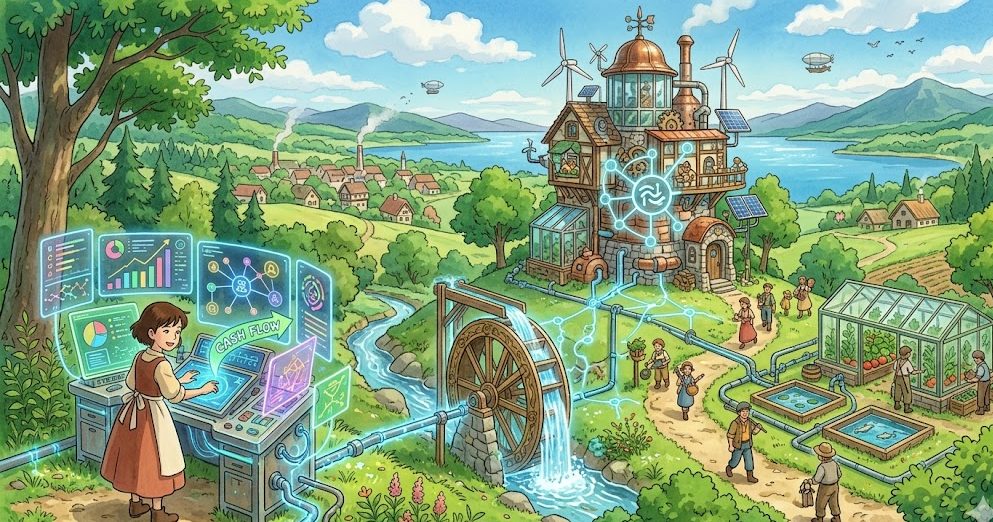
In the physical world, assets like real estate or gold have long been the gold standard for wealth. However, as we move deeper into 2026, the concept of “Real Estate” has expanded into the digital realm. Digital Assets—websites, mobile applications, and automated content ecosystems—are the new frontier for creating sustainable, long-term, and automated cash flow.
Unlike a traditional job where you trade time for money, a digital asset works 24/7. Once built and optimized, these assets can generate revenue with minimal ongoing maintenance. This guide explores the most effective strategies for building a digital portfolio that powers a consistent income stream.
1. The Core Philosophy: Assets Over Income
The secret to automated cash flow is focusing on Assets, not just “online work.”
- Active Income: Freelancing, consulting, or manual data entry (stops when you stop).
- Digital Assets: An AdSense-monetized blog, a SaaS tool, or a mobile app (continues to earn while you sleep).
To be truly sustainable, a digital asset must provide value, solve a problem, or offer entertainment. When you build something that people need, the monetization becomes a natural byproduct.
2. Strategic Content Ecosystems (Web & SEO)
A high-traffic website is the digital equivalent of a shop in a busy mall. By focusing on “Evergreen” niches—such as sustainable agriculture, personal finance, or tech tutorials—you create content that remains relevant for years.
High-Yield Web Strategies:
- The “Niche Authority” Model: Instead of a general news site, build a deep-dive resource on a specific topic. Search engines like Google prioritize “Expertise, Authoritativeness, and Trustworthiness” (E-E-A-T).
- SEO Automation: Use data-driven tools to identify low-competition, high-volume keywords. By answering specific user queries, you secure “organic” traffic that doesn’t cost a cent in advertising.
- Monetization Mix: Don’t rely solely on one source. Combine Google AdSense (for traffic volume) with Affiliate Marketing (for high-intent clicks) and Digital Products (like e-books or templates) for maximum margins.
3. Mobile Application Development (Flutter & Beyond)
Mobile apps are arguably the most “active” digital assets because they live directly on a user’s phone. With frameworks like Flutter, developing cross-platform (Android & iOS) apps has become faster and more accessible for entrepreneurs.
Automated Revenue Models for Apps:
- Rewarded Advertisements: Users watch a short video in exchange for “points” or “features.” This creates a win-win scenario where users get value and you earn high eCPM (Effective Cost Per Mille).
- The “Freemium” Utility: Build an app that solves a daily task—like a habit tracker, a specialized calculator, or a smart farming assistant. Offer the basic version for free and charge a subscription for “Pro” features.
- Referral & Ecosystem Apps: Create platforms that connect users to services. Every time a user completes a task or clicks a partner link, the app generates a referral commission automatically.
4. Digital Real Estate: Ad-Tech and Arbitrage
For those focused on high-speed scaling, managing digital assets through Google Ad Manager (AdX) or high-value AdSense accounts is a specialized strategy.
- Traffic Arbitrage: This involves buying low-cost traffic (via social media or search ads) and directing it to a high-value, optimized landing page where the ad revenue exceeds the cost of the traffic.
- Account Management: Treating an AdSense or AdX account as a business entity—ensuring strict policy compliance, ads.txt verification, and identity security—is vital. A verified, high-earning account is a sellable asset in its own right.
5. Automation and Scaling: The “Hands-Off” Goal
The “Automated” part of cash flow comes from systems. To turn a project into a sustainable asset, you must remove yourself from the daily operations.
- Content Outsourcing: Use a combination of AI-assisted drafting and expert human editors to maintain a high publishing frequency without writing every word yourself.
- Cloud Infrastructure: Host your apps and sites on scalable cloud servers (like AWS or Google Cloud) that handle traffic spikes automatically without crashing.
- Automated Marketing: Use email sequences and social media scheduling tools to keep your audience engaged and returning to your assets.
6. Risk Management & Sustainability
A digital portfolio is only sustainable if it can survive algorithm updates and market shifts.
- Diversify Your Platforms: Don’t put all your eggs in one basket. Own a blog, a YouTube channel, and a mobile app. If one platform changes its rules, the others keep your cash flow steady.
- Focus on Quality: In 2026, “low-quality” or “spammy” assets are quickly penalized. Building for the user first is the only way to ensure your asset lasts for a decade, not just a month.
- Data Security: Protect your assets with two-factor authentication, regular backups, and secure hosting. Your digital assets are your “wealth”—treat them with the same security as a bank vault.
Conclusion
Building digital assets is the ultimate path to financial autonomy. Whether it’s a Flutter-based earning app, an authority site on sustainable farming, or a specialized ad-tech setup, the goal remains the same: Create value once, and get paid for it forever. By shifting your mindset from “earning a paycheck” to “building an asset,” you start creating a future where your income is limited only by your creativity and the systems you put in place. The digital world is waiting—start building your estate today.