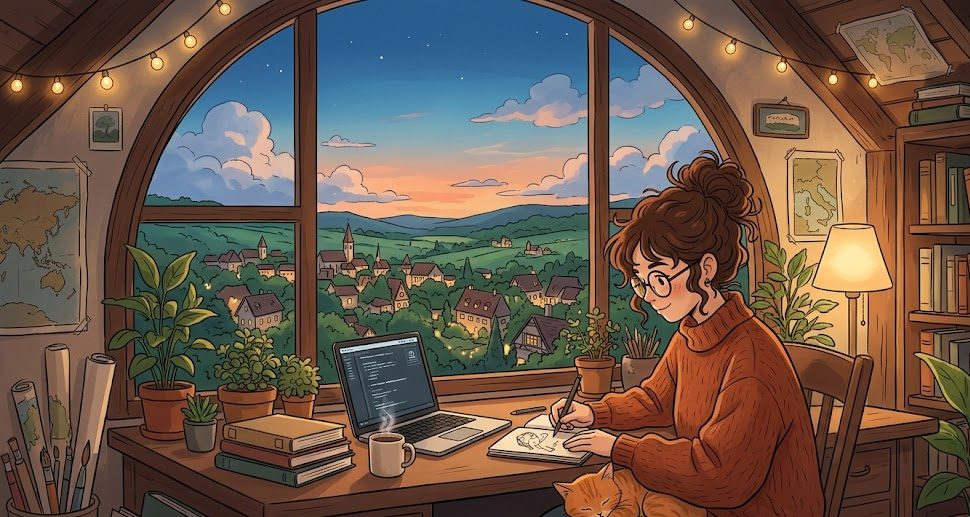
Waking up, skipping the morning traffic, and sitting down to work with a fresh cup of coffee right in your own home. A few years ago, this sounded like a rare privilege. Today, it is a normal reality for millions of people worldwide. The traditional office environment is no longer the only way to build a stable and successful career.
However, making the leap from a standard job to working online can feel overwhelming. The internet is full of confusing advice, and it is hard to know where to begin. Transitioning to a remote career is not a magical shortcut to instant wealth. It requires discipline, clear communication, and a solid plan. Whether you want to offer your skills as an independent freelancer or find a full-time remote position with a stable company, this guide will walk you through the safest and most effective ways to start.
Understanding the Digital Workspace
Before diving in, it is important to understand the difference between freelancing and remote work. While they both allow you to work from home, they operate very differently.
A remote job is essentially a traditional employment setup, just without the physical office. You still have a boss, regular working hours, and a fixed monthly salary. The company provides the work, and you complete it from your laptop anywhere in the world.
Freelancing, on the other hand, means you are running your own small business. You are an independent contractor. You find your own clients, negotiate your own rates, and manage your own schedule. You might work on a mobile app design for one client on Monday, and write website content for another client on Tuesday. Freelancing offers ultimate freedom, but it also requires you to be responsible for finding consistent work.
Practical Tips for Starting Out
Success in the online workspace does not happen by accident. You have to treat your digital career with the same respect as a traditional business. Here are practical ways to set yourself up for long-term success.
Create a Dedicated Workspace Your environment dictates your focus. Do not try to work from your bed or the middle of a noisy living room. Set up a specific desk or corner in your home dedicated entirely to work. When you sit in that chair, your brain knows it is time to focus. When you leave the chair, your workday is over.
Focus on a Specific Skill Many beginners make the mistake of offering a hundred different services. They try to be a writer, a graphic designer, and a virtual assistant all at once. This makes you look like an amateur. Pick one specific skill that you are good at and focus entirely on that. Specialists always earn more than generalists.
Set Clear Boundaries When your home is your office, it is incredibly easy to work too much. Set specific working hours and stick to them. Tell your family and friends that even though you are home, you are still “at work” and cannot be disturbed.
A Real-Life Example: The Mobile App Developer
Consider the story of a developer who wanted to transition into freelancing. In his first few months, he bid on every single project he could find. He offered to build websites, manage databases, and fix basic computer errors. Because he was competing with thousands of others on general tasks, he had to keep lowering his prices just to win jobs. He quickly burned out, working long hours for very little money.
Eventually, he decided to stop generalizing. He realized his true strength was in mobile application development, specifically building user-friendly earning and reward apps. He deleted his generic profile and created a new one that strictly highlighted his mobile app expertise.
Instead of chasing cheap, random projects, he started attracting clients who specifically needed high-quality mobile applications. Because he was now an expert in a specific niche, he could charge professional rates. He went from struggling to find five-dollar tasks to securing high-paying, long-term contracts with serious businesses.
Step-by-Step Guide: Landing Your First Online Gig
Getting your first client or remote job is always the hardest part. Follow these simple steps to build your foundation and get noticed by the right people.
Step 1: Identify and Refine Your Skill Look at your current background. Are you good at organizing data, writing clean code, designing interfaces, or managing social media? Pick the skill you enjoy the most and spend a week brushing up on it. Watch tutorials, read modern industry blogs, and ensure your knowledge is up to date.
Step 2: Build a Professional Portfolio Clients do not care about your school grades; they care about what you can actually do. If you do not have any past clients, create sample projects. If you are a writer, write three high-quality sample articles. If you are a developer, build a clean, functional app interface. Host these samples on a simple, professional website or a dedicated portfolio platform.
Step 3: Optimize Your Digital Profiles Set up profiles on major professional networks and reputable freelance platforms. Use a clear, friendly profile picture. Write a straightforward bio that explains exactly what problems you solve for clients. Do not simply list your skills; explain how your skills will help the client’s business grow.
Step 4: Start Pitching Consistently Do not sit back and wait for people to find you. Start actively searching for remote job boards or freelance projects. When you apply, do not send generic, copied-and-pasted messages. Read the client’s requirements carefully and write a short, polite message explaining exactly how you plan to handle their specific project.
Common Mistakes to Avoid
The path to remote work is full of traps. Avoiding these common errors will save you time, money, and frustration.
- Working Without a Contract: Never start a large project based on a verbal promise or a quick chat message. Always use a platform that protects your payments, or have the client sign a simple digital contract that outlines the work and the payment terms.
- Falling for Scam Jobs: If a job promises you thousands of dollars for simple typing tasks, or asks you to pay a “registration fee” to start working, it is a scam. Legitimate clients and companies will never ask you for money to start a job.
- Underpricing Your Work: It is normal to charge a slightly lower rate when you are trying to get your very first review. However, staying cheap for too long attracts difficult clients who do not respect your time. Raise your rates as soon as you have a solid portfolio.
- Ignoring Communication: In remote work, communication is everything. If you are going to be late on a project, tell the client immediately. Silence makes clients panic. Being polite, prompt, and honest will get you rehired more often than pure talent alone.
Conclusion
Building a career online through freelancing or remote jobs is a highly realistic goal. It offers incredible flexibility, the chance to work with global clients, and the ability to take control of your own daily schedule.
However, it is a real profession that requires real effort. By defining your niche, building a strong portfolio, avoiding online scams, and treating your clients with professionalism, you can create a highly stable and profitable digital career. Take it one step at a time, stay patient during the first few challenging months, and keep refining your skills. The digital workspace is vast, and there is absolutely a place in it for dedicated, hardworking individuals.
Frequently Asked Questions (FAQs)
Q: Do I need a university degree to get a remote job or freelance? A: In most cases, no. The digital economy is heavily based on skills rather than formal degrees. If you have a strong portfolio that proves you can do the work effectively, most online clients and remote companies will hire you regardless of your educational background.
Q: How do freelancers actually get paid safely? A: If you use major freelancing platforms, they handle the payments securely through an escrow system, ensuring you get paid when the work is done. If you work independently, you can use secure digital payment services like PayPal, Payoneer, or direct international bank transfers. Always secure an upfront deposit for large projects.
Q: Can I start freelancing while keeping my regular full-time job? A: Yes, this is actually the safest way to start. You can take on small freelance projects during your evenings or weekends. This allows you to build your portfolio and secure a few regular clients without risking your primary source of income.
Q: What if I have absolutely no digital experience? A: Everyone starts somewhere. Begin by identifying simple services that are in high demand, such as virtual assistance, basic data entry, or social media management. There are thousands of free tutorials online where you can learn the basics of these skills within a few weeks.
Q: How do I handle taxes as a freelancer? A: As an independent freelancer, taxes are not automatically deducted from your pay like they are in a traditional job. You are responsible for tracking your own income and expenses. It is highly recommended to set aside a portion of every payment you receive into a separate bank account specifically for your end-of-year taxes.