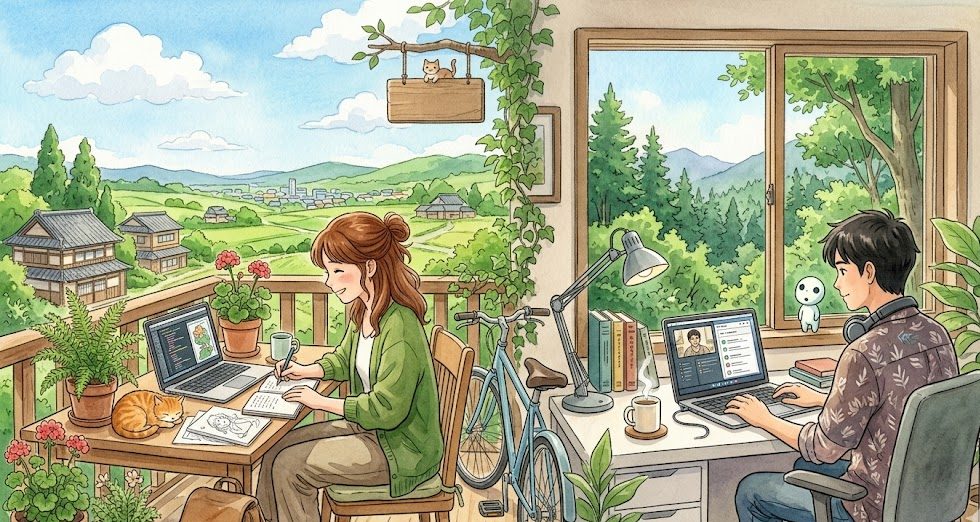
The professional landscape has shifted irrevocably. The “office-first” mandate is fading, replaced by a digital-first reality that offers more flexibility than ever before. But with this freedom comes a critical choice: do you chase the stability of a full-time remote role, or do you embrace the high-stakes, high-reward path of freelancing?
There is no “correct” choice, only the one that aligns with your personality, risk tolerance, and long-term goals. This guide explores the mechanics of building a sustainable career in either path for 2026 and beyond.
1. The Full-Time Remote Path: Stability and Depth
For many, a full-time remote position is the ideal balance. It offers the comforts of working from home without the administrative burden of running a business.
- The Pros: Predictable income, employer-provided benefits (insurance, equipment stipends), and the ability to deeply specialize in a single domain. You are part of a team, which provides a sense of community and structured professional growth.
- The Challenges: You are tethered to a single organization’s stability. If they pivot or downsize, your livelihood is at risk. Additionally, the “always-on” culture of remote work can lead to burnout if you don’t strictly manage your boundaries.
- Winning the Role: To succeed in 2026, you need more than a resume. You need to demonstrate asynchronous communication mastery. Employers today prioritize candidates who can document their work, manage their time without supervision, and contribute effectively to global teams across time zones.
2. The Freelance Path: Agency and Agility
Freelancing is entrepreneurship disguised as employment. It is for those who value autonomy above all else and are willing to trade the “safety net” for total control over their schedule and earnings.
- The Pros: Uncapped earning potential. You can diversify your client list so that the loss of one contract doesn’t jeopardize your income. You choose who you work with, what projects you take, and where you work from.
- The Challenges: The “feast or famine” cycle is real. You are responsible for your own taxes, health insurance, and retirement planning. Furthermore, you must constantly act as your own sales and marketing department.
- Building Sustainability: Success as a freelancer requires niche authority. Don’t be a “generalist writer” or “generalist coder.” Become the go-to person for a specific industry problem. When you are the expert, clients come to you, and your pricing power increases significantly.
3. The Core Skills for Any Remote Career
Regardless of which path you choose, three pillars will define your success this year:
A. Deep Work and Focus
The greatest threat to a remote career is the constant fragmentation of attention. Whether you are an employee or a freelancer, your value is tied to your ability to produce high-quality output. Use “time-blocking” to protect your deep-work hours from the deluge of emails, Slacks, and notifications.
B. Personal Branding
In a digital world, your reputation precedes you.
- If you are full-time: Your brand is your “internal reputation.” Be the person who consistently hits deadlines, provides proactive status updates, and helps others.
- If you are a freelancer: Your brand is your “public storefront.” Maintain a professional portfolio, contribute to niche communities, and ensure your LinkedIn reflects your specific expertise.
C. Financial Literacy
Sustainability is impossible without a financial safety net.
- The Freelancer’s Rule: Maintain a “runway” fund of 3–6 months of living expenses. Never commit to a single project that accounts for more than 30% of your total revenue.
- The Employee’s Rule: Don’t rely solely on your paycheck. Use your stable income to invest in side projects or continuous upskilling that makes you indispensable in the job market.
4. Avoiding the “Remote Burnout” Trap
One of the hidden dangers of remote work is the dissolution of boundaries between “home” and “work.” Without a commute to signal the end of the day, your brain never truly disconnects.
- Create Environmental Cues: Have a dedicated workspace that you “leave” at the end of the day. If you live in a small space, use a specific light, a specific chair, or even a specific ritual (like a walk or a podcast) to signal that the workday is done.
- Prioritize Non-Digital Connection: A career is just one part of your life. Make sure your schedule includes face-to-face social time, exercise, and hobbies that don’t involve a screen. Remote work can be isolating; you must be proactive in filling your “social bucket.”
5. The Hybrid Mindset: The Future of Resilience
The most resilient professionals in 2026 often adopt a “portfolio career.” They might hold a stable, full-time remote role for the benefits and consistency, while simultaneously freelancing or consulting on smaller projects on the side.
This model minimizes risk while maximizing exposure to different industries and technologies. It ensures that even if one income stream dries up, you have the momentum and connections to pivot quickly.
Final Thoughts: Designing Your Life
Building a sustainable remote career isn’t just about finding the right job or the right client—it’s about designing a life that sustains your energy over the long term.
If you crave predictability and team integration, invest in your communication skills to win a top-tier full-time role. If you crave freedom and are prepared to manage your own business risks, sharpen your niche expertise to dominate the freelance market.
The barrier to entry for remote work has never been lower, but the requirement for self-discipline and strategic positioning has never been higher. Define what “success” looks like for you, set your boundaries, and build a career that serves your life, rather than the other way around.